
Share this post!
A section 98 agreement is the written contract between a condo corporation and a unit owner that lets the owner change something the corporation owns. It settles who pays, who repairs, who insures and who owns the change, and those answers stay attached to the unit after it sells. Here is the catch: a yes from the board is not the finish line. The agreement has to be signed and registered on title, or the work is not authorized. Without registration, the next owner inherits the alteration and none of the obligations, and the corporation inherits the cost. The owner alteration process has not changed, and nothing scheduled for 2027 changes it. Handling it properly before a single tile is laid is part of what good condominium management services do.
What Section 98 Requires Before an Owner Touches the Common Elements
Before an owner touches the common elements, four things have to happen. Section 98 of the Condominium Act, 1998 sets them out, and a board that does three of the four still ends up with an unauthorized alteration.
- The board approves the change by resolution.
- Owners get notice where section 97 would have applied if the corporation were doing the same work.
- The corporation and the owner sign a written agreement.
- The corporation’s solicitor registers that agreement against the title to the unit.
The Act gives an owner a way to ask, not a right to alter. Boards are not obliged to say yes.
Approval Belongs in a Resolution and in the Minutes
The board approves or refuses the request by resolution, and both the decision and its reasons belong in the minutes. The defect we see most often is one director saying yes on his own. Years later nobody can show who approved what, or on what conditions. Boards are not required to approve a request, and the reasons should be recorded in the resolution. Consistency matters too: a board that approved six balcony tile installations and refuses the seventh on the same facts has created a problem for itself.
What the Section 98 Agreement Has to Settle
The agreement allocates the cost of the change between the owner and the corporation and sets out each side’s duties, including repair after damage and ongoing maintenance. Insurance gets its own line: who insures the change, and who pays when an enclosed balcony leaks into the unit below. The regulation also requires the agreement to say who owns the change. In practice it also pins the scope to the drawings and permits and sets a completion date.
Then there is the half of the file that costs real money. A well-drafted agreement says the owner removes the work and restores the area, at the owner’s cost and on notice, when the corporation needs to repair what it is attached to. That is the clause a board meets 15 years later, when the balcony restoration tender goes out and 40 units have tiles on them.
There is no standard government form for these agreements. The wording is your corporation’s own, drafted by its solicitor, which is why two buildings handle the same balcony request very differently.
Registration Is What Makes the Agreement Stick
The agreement does not take effect until it is registered against the title to the owner’s unit. Registration is a condition of the thing working at all, not paperwork to catch up on later. The corporation’s solicitor registers it on the corporation’s behalf, and the owner is not the one who registers it. Once registered, the agreement binds the unit and is enforceable against whoever buys it next. Work starts after registration, not after the board meeting.
Which Parts of Your Building Section 98 Covers
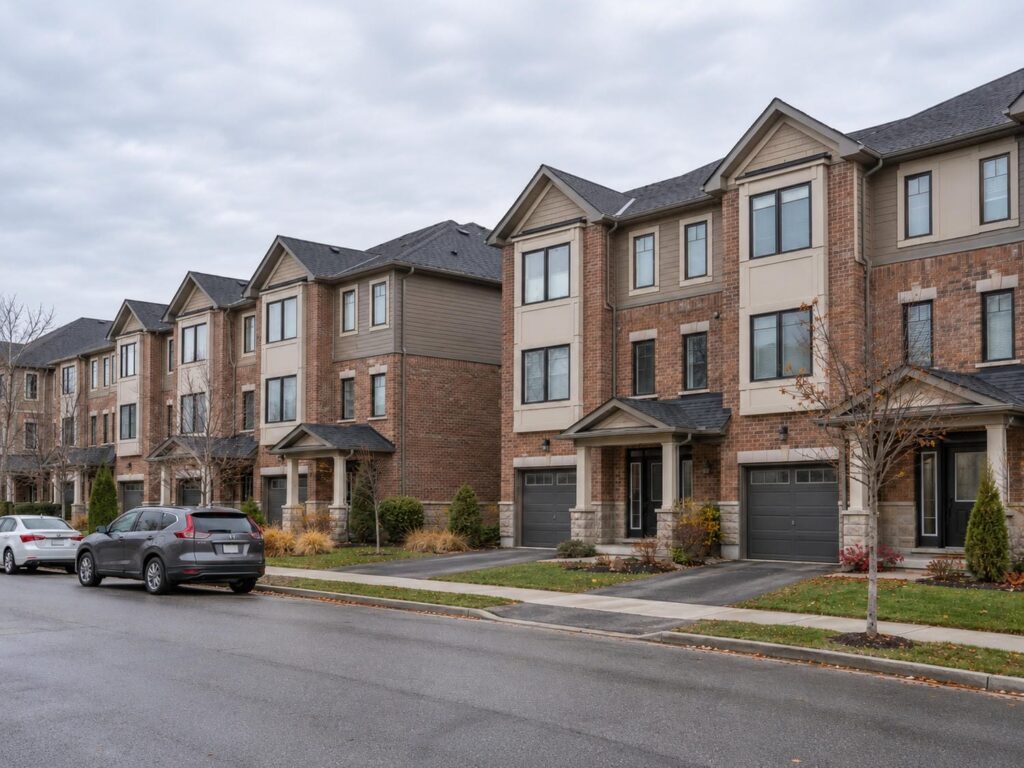
Common elements are the shared parts of the property, such as hallways, elevators, piping and amenities. The Condominium Authority of Ontario explains what counts as a common element, and tells owners plainly that most owner-proposed changes need board approval and a formal agreement under section 98.
Exclusive-use common elements are owned by the corporation but used by one unit. Balconies are the most common example, and the list runs further: terraces, patios, parking spaces, lockers and the front doors of a townhouse block.
In GTA buildings the triggers are predictable: balcony and terrace flooring, screens and enclosures, railing or glass changes, through-wall air conditioners and terrace condensers, new or enlarged windows and doors, townhouse garage doors, range hood and dryer vents, hardwired exterior lights and cameras, and accessibility work such as ramps, grab bars and automatic door openers.
Your declaration draws the line between your unit, your exclusive-use areas, and the rest of the building. Two towers on the same street can divide it differently. Work inside the unit is governed by the declaration, the by-laws and the rules rather than by section 98. It engages section 98 only when it touches a common element. Interior work is where renovation agreement reviews earn their keep on flooring and noise. Balconies sit on the other side of the line, and alterations rank alongside leaks and concrete repair among the balcony problems boards deal with most.
Section 97 or Section 98: Who Is Making the Change
Section 97 is the corporation’s route and section 98 is the owner’s route. They are not alternatives. Section 98 borrows part of section 97’s machinery rather than replacing it, so boards need to know how both work.
What the Corporation Has to Do Under Section 97
Section 97 covers changes the corporation makes to the common elements, the assets and the services, and what it has to do next depends on the estimated cost.
- Estimated cost in any month at or under the greater of $1,000 and 1 per cent of the annual budgeted common expenses: the board can proceed without notice to owners.
- Above that, and below the substantial threshold: notice goes to owners, who then have 30 days to requisition a meeting.
- Estimated cost over 10 per cent of the annual budgeted common expenses for the current fiscal year: the change is substantial, and owners holding at least 66 and 2/3 per cent of the units must approve it.
The Exclusive-Use Exception, and the One Thing It Does Not Remove
Section 98 imports section 97’s notice step only where section 97 would have applied had the corporation been doing the same work. The exception removes that notice step for a change to the exclusive-use common elements of the owner’s own unit, where the board is satisfied of five things. The board must be satisfied the change:
- will not have an adverse effect on units owned by other owners;
- will not give rise to any expense to the corporation;
- will not detract from the appearance of the buildings on the property;
- will not affect the structural integrity of the buildings, confirmed by an engineer’s certificate where the structure is involved;
- will not contravene the declaration or the other requirements the regulation sets out.
The exception removes the notice step and nothing else. The board resolution and the registered written agreement are still required, including on a balcony or a terrace.
EV Chargers Run on Their Own Track

Electric vehicle charging installations run under their own sections of the general regulation, and owners who follow that process are exempt from section 98. The condo authority’s guide on electric vehicle charging systems sets out both routes.
- The application is in writing, identifies the owner and an address for service, is signed, and includes drawings or specifications.
- The board responds within 60 days, unless both sides agree on a different period.
- Where the board accepts, the two sides sign the agreement within 90 days of the acceptance, again unless they agree otherwise.
- The corporation registers it against the unit title as soon as reasonably possible. It does not take effect until registered, and it binds future owners.
The grounds for refusing are far narrower than on a section 98 request. A board can reject a charging application only on a qualified professional’s report saying the installation would breach an Act such as the Electrical Safety Code, would adversely affect structural integrity, or would pose a serious risk to health and safety or of damage to the property. The owner gets a copy of that report.
Silence is not consent. If the board does not answer inside the 60 days, it is treated as having neither rejected the application nor required a different manner or location, and nothing is automatically approved. On its own side, a board can install charging equipment without an owner vote where the cost is under 10 per cent of the annual budget and there are no adverse impacts, and only a contractor holding an Electrical Safety Authority licence may do the work.
Section 97, Section 98 and EV Chargers Side by Side
Picking the wrong route at the start is the most expensive mistake on an alteration file. The work gets approved under a process that was never going to bind anybody.
| What You Need to Know | Corporation Change (Section 97) | Owner Alteration (Section 98) | EV Charger (Sections 24.1 to 24.7) |
| Who starts it | The board, for work the corporation is doing on shared property. | The owner, with a written request, drawings and specifications. | The owner, with a signed written application, an address for service, and drawings or specifications. |
| The board’s job, and any clock | The board decides. What it must do next depends on the estimated cost. | No deadline in the Act. The board approves or refuses by resolution, and is not required to approve. | Answer within 60 days, then sign within 90 days, unless both sides agree otherwise. Silence is not approval. |
| Notice to owners, or a vote | Three cost tiers: no notice at the low end, notice plus 30 days to requisition above it, and a 66 and 2/3 per cent owner vote for a substantial change. | Notice to all owners where section 97 would have applied to the corporation. None for the owner’s own exclusive-use area, if the board is satisfied. | None. Owners who follow this process are exempt from section 98. |
| What gets registered | Nothing. There is no agreement with an owner to register. | The agreement, registered against the owner’s unit. It does not take effect until then. | The agreement, registered against the owner’s unit as soon as reasonably possible. It binds future owners. |
| Who can hear a dispute | Not the Tribunal. A dispute about the corporation’s own change to the common elements is outside its jurisdiction. | Not the Tribunal for the alteration itself. The corporation can seek a compliance order in the Superior Court of Justice. | Not the Tribunal. Mediation, then arbitration, within 6 months of the board’s answer or the end of the 90 day period. |
How a Board Should Run an Alteration Request
A file that runs in this order rarely turns into an argument, and the order is the point.
- The owner submits a written request with drawings and specifications. A phone call is not a request.
- Management checks it against the declaration, the by-laws, the rules and the corporation’s standard conditions, and confirms which municipal permits the owner has to produce.
- Anything touching structure, the building envelope, fire separations or electrical capacity goes to the corporation’s engineer before it goes to the board.
- The board approves or refuses by resolution, and the reasons go into the minutes.
- The corporation’s solicitor drafts the agreement, including the owner’s obligation to remove the work and restore the area on notice.
- The owner signs and pays the corporation’s legal and registration costs, and the solicitor registers the agreement on the corporation’s behalf. Work starts after that.
- The agreement goes into the unit file and the status certificate package, and it moves with the records when the building changes managers.
A section 98 request starts no clock for the board, so the only thing keeping it moving is the way management runs the file. The corporation’s legal and registration costs come with the agreement, and the owner pays them. The agreement says so in writing, before any work starts.
When Work Goes Up Without an Agreement
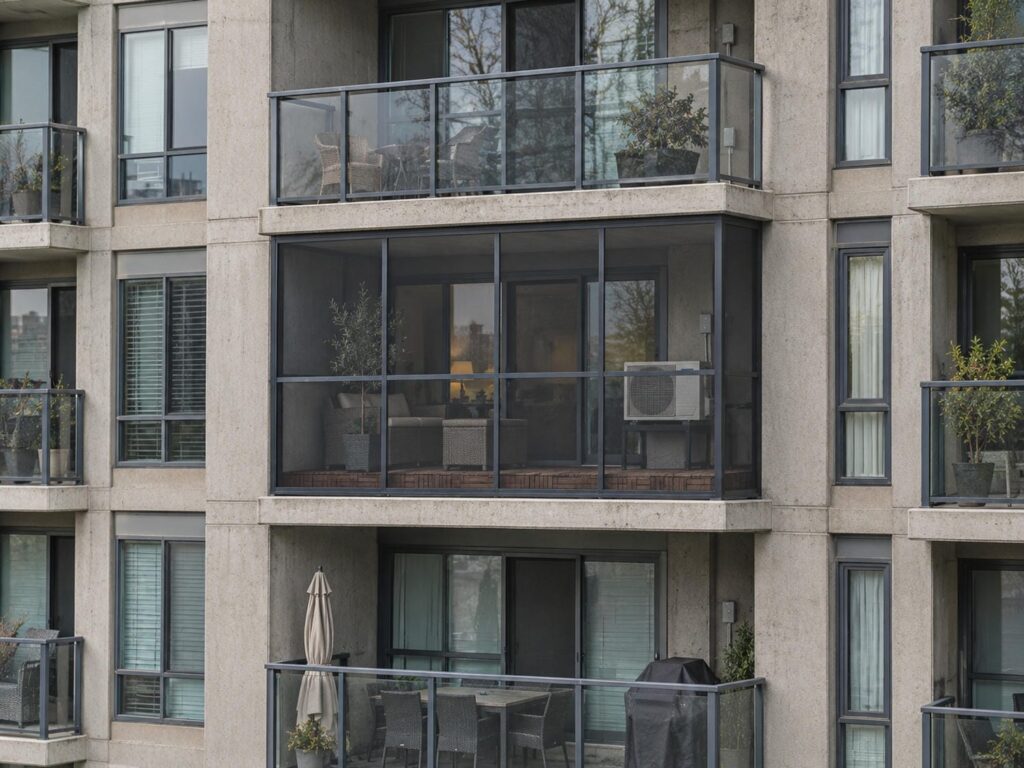
The owner got a verbal yes, or no yes at all, and the deck, the screen or the air conditioner is already up. Once work is already up, the options narrow and the facts matter, so take that file to the corporation’s solicitor early.
Why the Tribunal Will Not Decide an Alteration Dispute
The regulation that sets the Tribunal’s jurisdiction carves this out by name. Its nuisance and governing-document categories do not apply to a dispute that is also about a registered alteration agreement, or about an electric vehicle charging agreement. The carve-out reaches those categories, not the records category. An owner who wants a copy of the registered agreement can still bring a records application. The alteration dispute itself goes to court: the corporation can apply to the Superior Court of Justice for an order enforcing compliance with the Act, the declaration, the by-laws and the rules. The Tribunal’s 2027 expansion adds meeting and requisition disputes, and it does not add alterations. Knowing what the Condominium Authority Tribunal can hear keeps a board from filing in the wrong forum.
What Happens to the Money After a Court Order
Where a corporation obtains an award of damages or costs against an owner, those amounts, plus the corporation’s additional actual costs of obtaining the order, are added to the common expenses for that unit, and the corporation may set a time for payment. Courts have gone both ways on unauthorized alterations. They have ordered removal and restoration, and they have also given owners the choice of signing an agreement instead of tearing the work out. Moving early is cheaper. Records are fresher, the owner has not spent another 5 years treating silence as permission, and the file usually resolves without anyone filing anything. What your corporation can charge back depends on the wording in your declaration, so get that read before anyone sends an invoice.
Where an Undocumented Alteration Shows Up at Resale
The prescribed Ontario status certificate deals with these agreements at paragraph 23, Agreements with Owners Relating to Changes to Common Elements. The corporation has to state whether the unit is subject to an agreement under clause 98(1)(b) of the Act, or to an EV charging agreement, and if it is, whether those agreements have been complied with. At paragraph 33(g), the form requires a copy of every such agreement binding the unit to be attached to the certificate.
That turns a filing habit into a deadline. A corporation has 10 days from the request and payment to produce the certificate, for no more than $100 including taxes and materials. An agreement nobody can find in that window is a problem in that window. Buyers and their lawyers order a status certificate expecting to find it.
Here is the sharpest argument for a clean register. Where a corporation knew about an unauthorized alteration and did not disclose it in the status certificate, a court has refused to let the corporation force the purchaser to undo it. The alteration stayed.
What Board Approval Does Not Cover
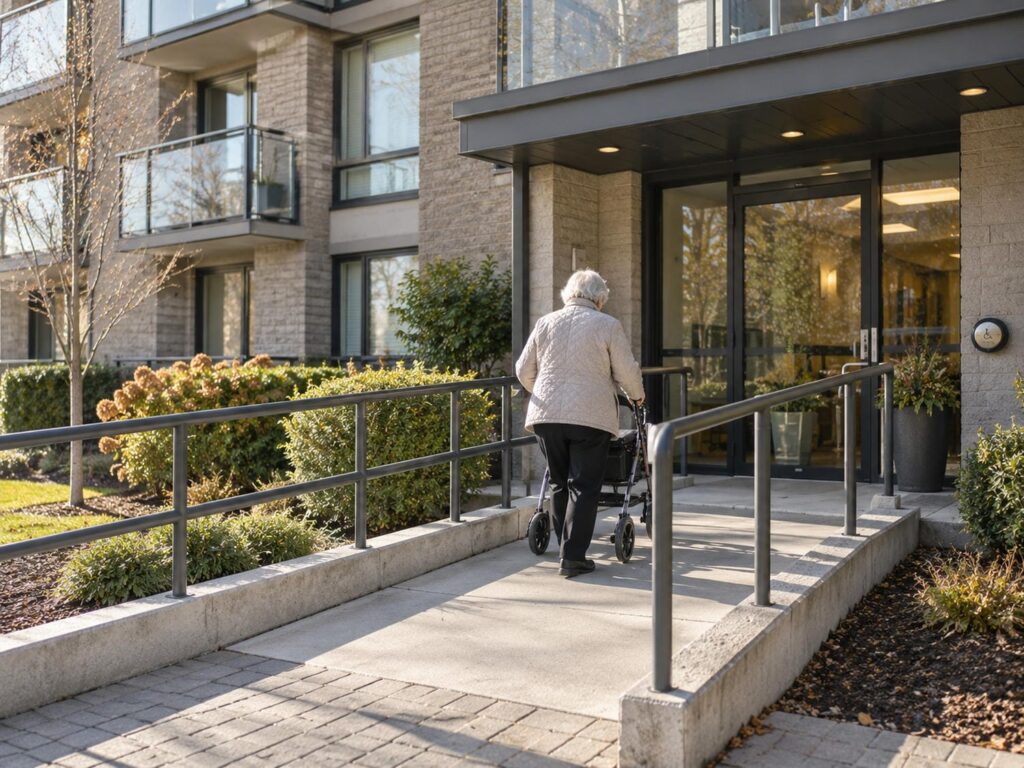
Two overlays sit outside the board’s decision.
Municipal permits come first. In Toronto, a building permit is required for enclosing an existing deck, porch or patio of any size, for building a deck more than 60 centimetres (24 inches) above ground, and for cutting a new window or door opening where there was none, or enlarging or relocating an existing one. Replacing a window like for like is a different matter. A board’s approval and a city permit are two separate things, and the agreement should name which permits the owner has to produce.
Accessibility requests are the second. The Ontario Human Rights Commission tells housing providers that the cost of required accommodation is theirs to bear, and gives ramps, automatic door openers and wider doorways as examples, in guidance that speaks to housing providers in general and does not deal with condominium corporations specifically. A request tied to a disability engages more than the Condominium Act, and those requests should go to the corporation’s solicitor before the board answers.
Keep the Alteration File in Order Before It Becomes a Problem
Most alteration problems are not legal problems. They are record-keeping problems that become legal problems at resale, 5 years after the director who said yes left the board. The buildings that avoid this have a routine: every request in writing, every decision in a resolution, every agreement registered, and every registered agreement findable the day a status certificate request arrives. CPO Management has run that routine for 15+ years across GTA residential and commercial condominium properties, with CMRAO-licensed managers and work featured in ACMO publications and on Condos.ca. Our condo management services carry the alteration file from the first set of drawings to the record the next manager inherits. If your board is sitting on a request, or on an alteration nobody documented, get in touch with our team.
Frequently Asked Questions
Yes. A balcony is usually exclusive-use common element, which the corporation owns. The exception can remove the notice to other owners, but it removes nothing else. The board still approves by resolution, and the agreement still has to be signed and registered.
Boards have broad discretion and are not obliged to approve a request, while still being expected to act reasonably in the circumstances. Put the decision and the reasons in the resolution, so the file shows what the board weighed and when.
The corporation’s solicitor registers it against the title to the owner’s unit, on the corporation’s behalf. The owner is not the one who registers it. The owner does pay the corporation’s legal and registration costs, and the agreement sets that out in writing before any work starts.
No. Once registered, the agreement binds the unit and is enforceable against whoever owns it next. That is the whole reason registration matters, and it is why the agreement has to be disclosed and attached when a status certificate is issued for that unit.
No. Electric vehicle charging installations run under their own sections of the general regulation, and owners who follow that process are exempt from section 98. The board has 60 days to answer and the agreement is signed within 90 days, unless both sides agree otherwise.
The Act sets no deadline, which is the practical difference from an EV charging application, where the board has 60 days. A request can sit for months unless management puts it on an agenda, so ask for a target date when you submit it.